
Human Skills
Research identifies four critical areas where humans are likely to be irreplaceable for some time to come, and where many organisations are already losing ground.
METACOGNITION
Thinking about your thinking.
The ability to recognise your own biases, assess the quality of your reasoning, and shift strategy when your initial approach isn’t working. This is what prompts someone to say ‘I might be approaching this wrong’ or ‘we may have framed the problem badly.’ AI systems can’t fully reflect on their own thought processes or question their assumptions. If we rely on AI to do the thinking, research shows results are worse by every measure. Critical thinking and systems thinking, used together, are the antidote.
INTERSUBJECTIVITY
Understanding what isn't said.
Social exchange, shared meaning-making, reading emotional and social dynamics that can’t be algorithmically parsed. LLMs struggle with implication, cultural nuance, presupposition and social pragmatics. They are often pragmatically awkward or culturally misplaced. But humans interact in multiple dimensions simultaneously: contextual inference, emotional subtext, lived experience. We can build this capacity via deep engagement with language, exploring metaphor, narrative and the sensory dimensions of communication.
CONTEXTUAL JUDGEMENT
Reading the room.
The ability to analyse situations that can’t be fully specified. To know when rules should bend, when ‘technically correct’ is actually wrong, and when the objectives themselves are misguided. This is how experienced leaders sense tension that’s invisible in any quantitative metric. It’s why skilled facilitators abandon a carefully planned agenda when the group needs something different. Contextual judgement emerges from the integration of embodied (physical) cognition, language understanding and metacognition. It can’t be automated, but it can be developed.
EMBODIED UNDERSTANDING
What the body knows.
People are reaching for something AI cannot provide because they need it. In 2025 one-third of UK toy sales were to adults buying physical toys for themselves, a market growing three times faster than toys for children. Physical and sensory engagement creates neural pathways and intuitive knowledge that transcend explicit reasoning. Writing by hand activates brain connectivity across motor, visual, sensory and memory regions in ways typing does not. The body knows what the mind has forgotten, and physical interaction helps develop embodied intelligence.
These ‘human intelligence’ capabilities aren’t gone, but they are becoming weaker. We can rekindle them by working on three individual skills that blend together to develop multi-faceted intelligence, deepen understanding and embed learning.
Critical thinking develops metacognition, encourages big-picture thinking and trains teams to recognise when they’re thinking algorithmically rather than contextually. It builds people’s ability to question assumptions - their own and others’ - evaluate evidence, and ask: what’s this really about? Are we solving the right problem? Unlike AI, which identifies patterns but can’t question whether they’re meaningful, critical reasoning helps people make better judgements and feel more confident doing so.
Poetic thinking creates unexpected connections and helps teams think more creatively under pressure. Business Poetry encourages deep engagement with language: the sensory, emotional and metaphorical dimensions that develop pragmatic understanding, imaginative reasoning and the capacity for narrative strategy. It trains teams to understand implication, read emotional subtexts, build communication that connects, and sharpen messaging to avoid sounding like everyone else.
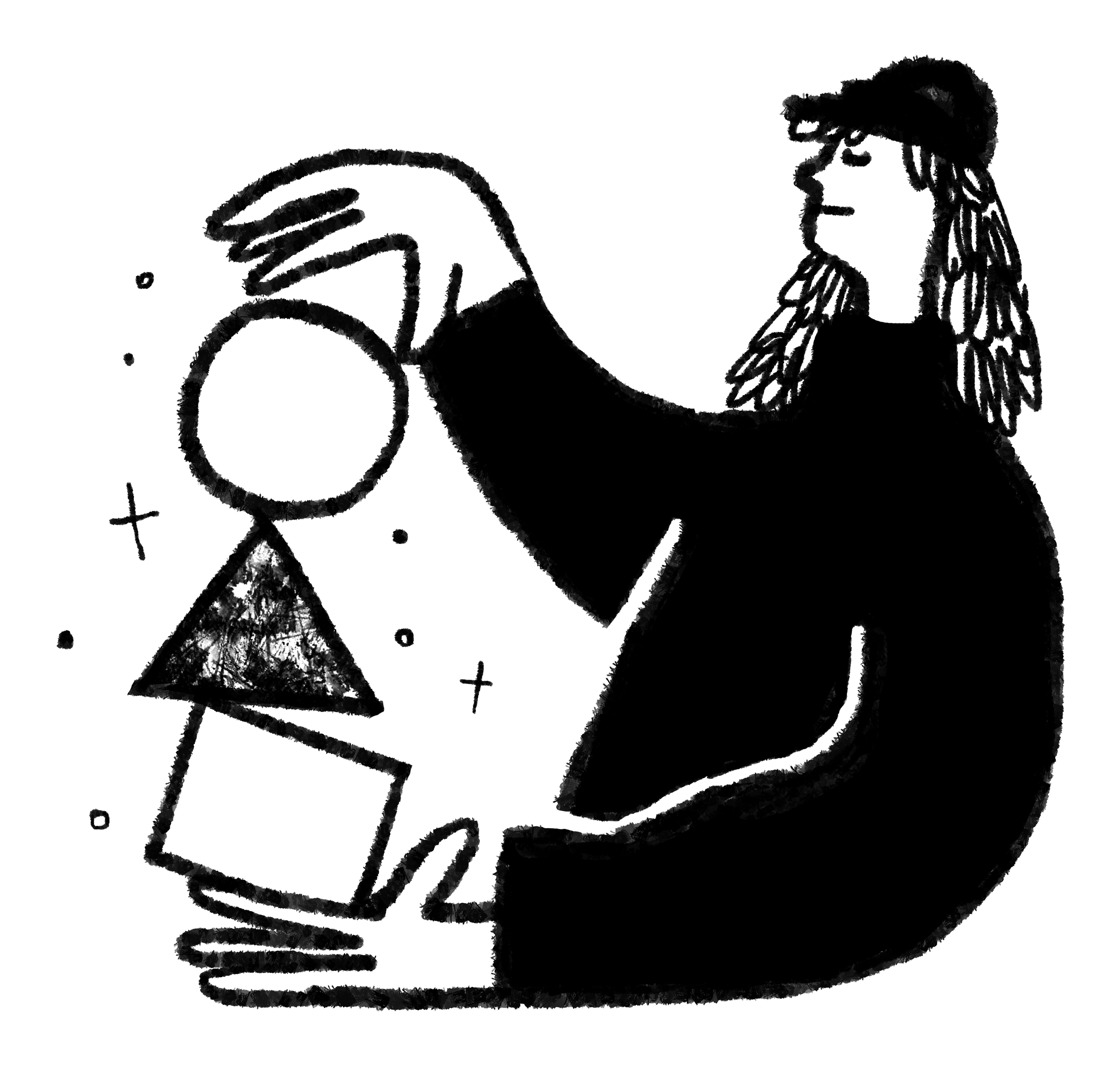
Engaging the body as well as the mind develops embodied cognition, creative synthesis and the ability to think with hands and objects, not just abstractions. LEGO® Serious Play leverages this deliberately, using model-building to generate deeper insights, reconnect thinking to the body and manifest complex ideas in physical form. When teams build with their hands, they allow what the mind doesn’t know it knows to emerge. The result is better connection, closer team collaboration, and solutions that sustain.