
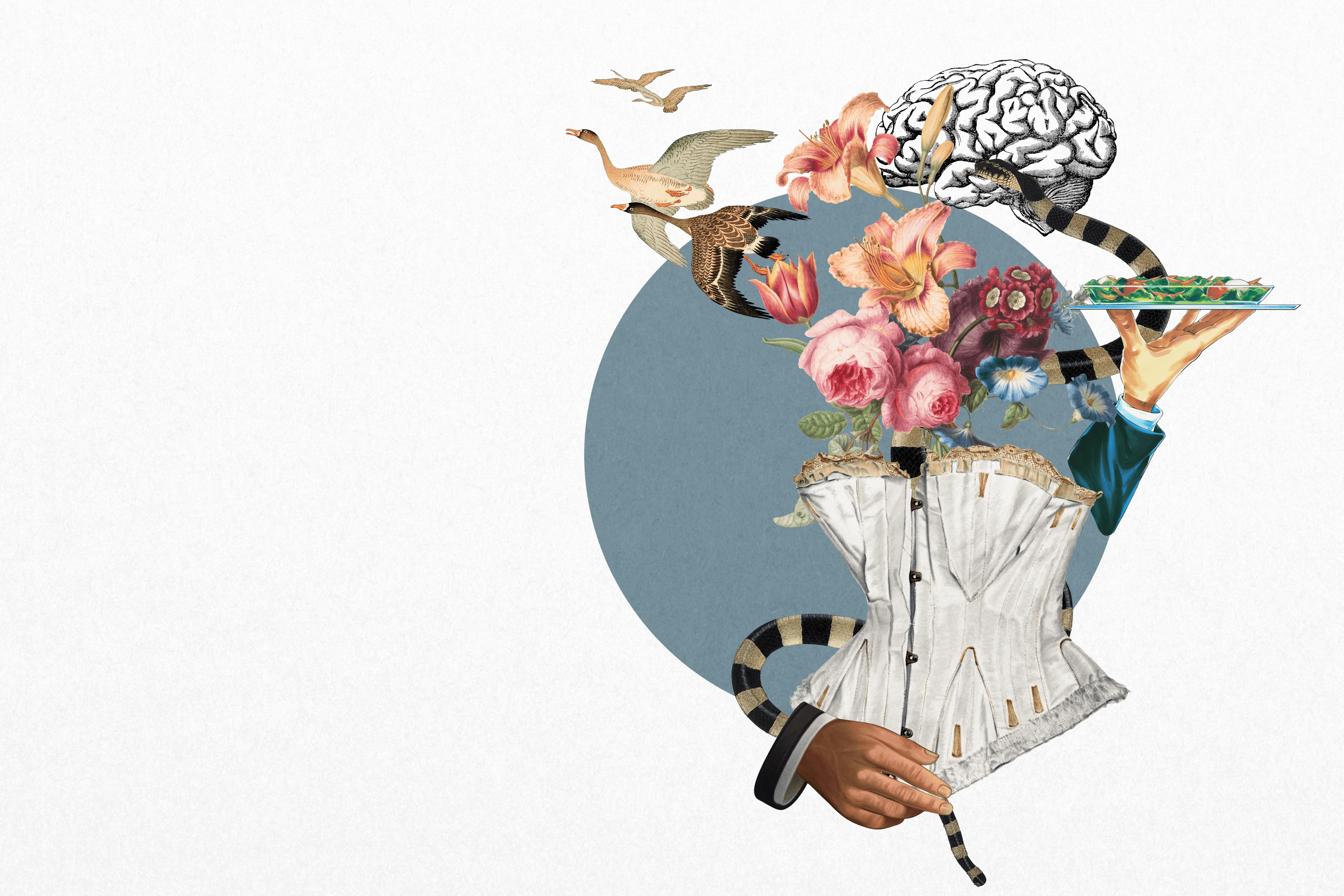
What if friction isn't waste, but the force we need to grow?
It’s thrilling when you first start to use AI tools – just paste in the messy notes and a clean summary comes back. Describe the email you can't face writing and a draft arrives in seconds. The friction is gone. And friction, we have all been taught, is waste. Friction is the thing we identify in order to remove it. Right?
I want to make the case for friction. Not because AI does things badly, but because of something deeply unsettling for those of us who use our minds for a living. When researchers measured what happens to people who lean heavily on AI tools, they found a negative relationship between frequent use and critical thinking, via a mechanism called cognitive offloading that’s been hardwired into our ape brains since forever. Put simply; effort builds capacity, so if we hand over the effort, the capability dissipates.
A team at the MIT Media Lab wired people up while they wrote (some with an AI assistant, some without) and the assisted writers showed weaker neural signatures tied to memory and ownership. They produced the essays, they just didn't seem to own them; asked afterwards many couldn't quote themselves. The words had passed through them without leaving a mark.
Researchers at Microsoft and Carnegie Mellon asked knowledge workers how they actually use AI tools, and found something telling: the more someone trusted the AI, the less critical thinking they did; the more they trusted themselves, the more they did. The tool didn't remove the thinking, it relocated it away from making, and towards judging what the machine had made. The work moved up a level, to the part where you decide whether the output is any good, whether it's true.
This balance is the whole point. Some of what we hand over, we should. Plenty of the friction in a working day is just grit in the gears - formatting, transposing, collecting research links. Giving those away is a relief, and it buys back time for something better.
The skill, with the pace of AI increasing exponentially, is telling the difference. Knowing which friction is grit, and which friction is growth. The truth is, effort is necessary to tune up your brain. The hard draft is how you find out what you actually think. The argument you test again and again is how you come to believe it. The difficulty is the work.
We are sold frictionless as a kind of freedom. But a life with nothing to push against isn't freedom; it's a vacuum. And in a vacuum, nothing grows. Choose the gravity that grows your judgement, your voice, your sense of what is true: keep that close, and do it by hand, because it’s hard.
That is what The Productive Struggle has always meant.
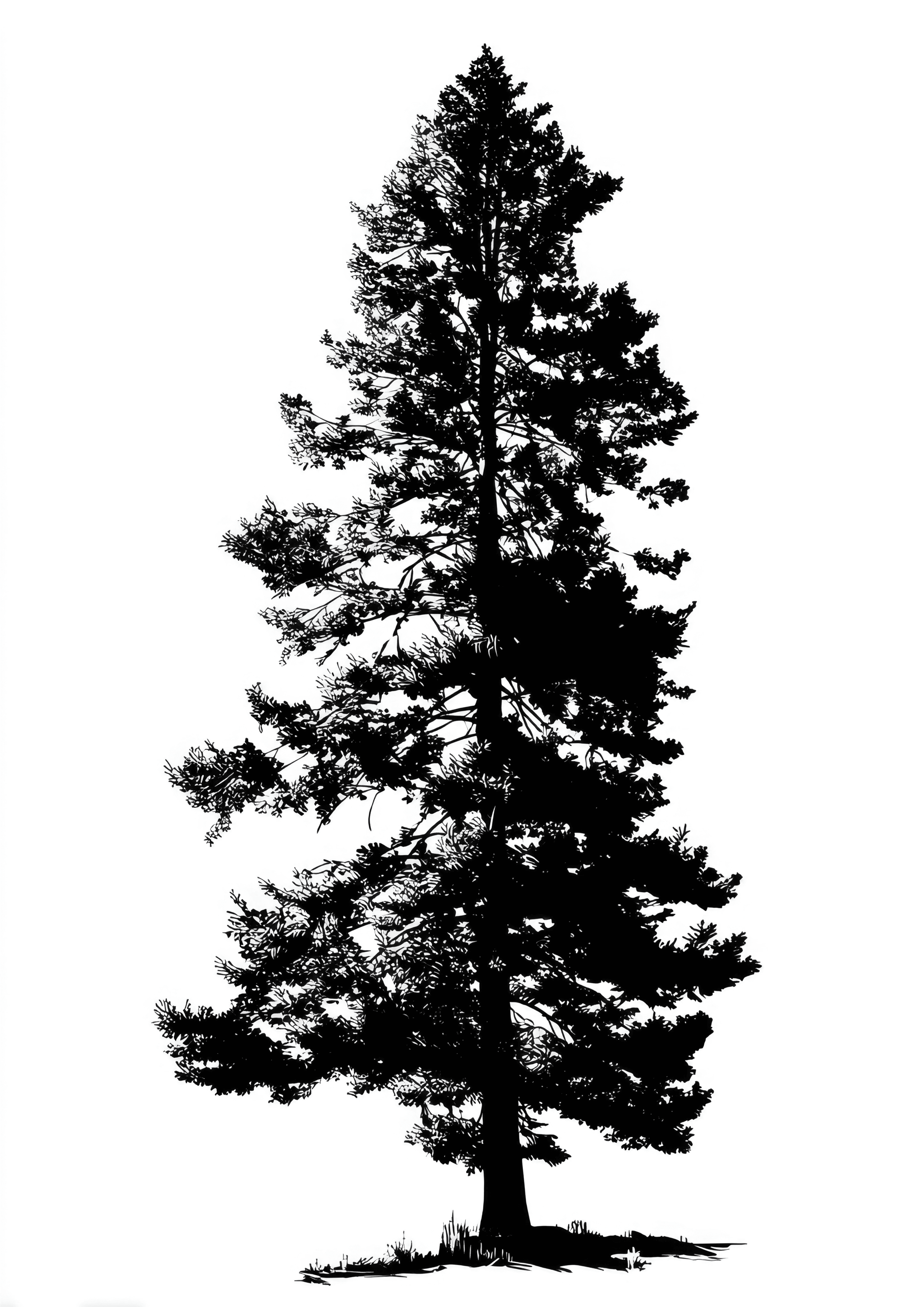
Douglas Malloch wrote ‘Good Timber’ a century before anyone could hand their thinking to a machine. The tree that grows sheltered, with nothing to push against, grows weak. It is the difficulties it has to brace against that lay down the strong wood. Exactly the friction AI takes away if we aren't careful what to use it for.

The Productive Struggle always includes something to try; an invitation to approach things differently, because the only way to build the capabilities we explore in this newsletter is to dive in, give it a go and let your brain do the work.
Before you hand anything over to a friction-free AI tool, it’s worth asking which of your daily struggles are making good timber, and which are just keeping you busy. This simple matrix exercise should help. First, list the work you did last week, giving each task a post-it. Be specific ('writing the board update', rather than 'communication'). For each task, think: how much does it draw on your unique judgement, and what would it cost to get wrong? Then place it on the THE HUMAN-AI MATRIX. Or if you want a deeper dive you can try the HUMAN-AI APP I developed to take you through some key questions to build your grid.
Thanks for reading my messy little newsletter.

Further reading links, for the relentlessly curious:
Gerlich, M. (2025). AI Tools in Society: Impacts on Cognitive Offloading and the Future of Critical Thinking. Societies, 15(1).
Kosmyna, N., et al. (2025). Your Brain on ChatGPT: Accumulation of Cognitive Debt when Using an AI Assistant for Essay Writing. MIT Media Lab (arXiv preprint, June 2025).
Lee, H.-P., et al. (2025). The Impact of Generative AI on Critical Thinking. Microsoft Research & Carnegie Mellon University (CHI 2025).
Elsevier (2024). Insights 2024: Attitudes Toward AI.